
Cashmere
...a view of the world
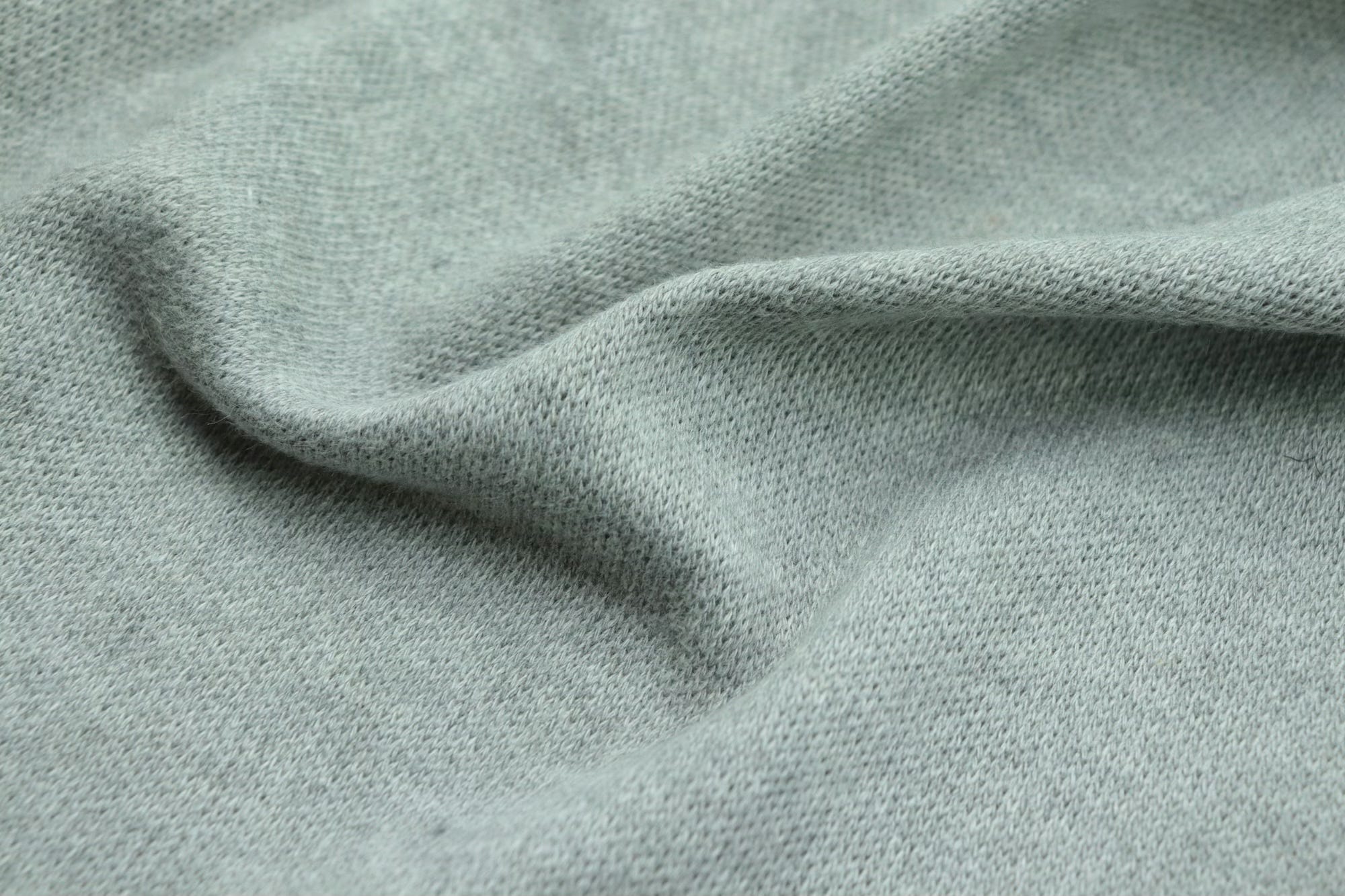
My cashmere sweaters do not make it into my memoir, but they surely figure among significant memories in my life. Why cashmere sweaters?
Cashmere sweaters have, for me, always possessed a certain élan if a sweater can be said to possess élan. Or maybe it is more accurate to say that when wearing a cashmere sweater, I feel the stylishness, the flair, that élan suggests.
It must have been that at my high school in Detroit, Redford High, wearing a cashmere sweater gave a girl a slight edge, a signal that she was cool enough, informed enough, savvy enough to know the importance of cashmere. I don’t think the truly cool, the utterly cool students — the football players and their girlfriends — wore cashmere sweaters. I cannot now exactly say what put them in that category of super-coolness. They knew who they were, and we did, too. It was some sort of definition of self, definition of being, that we all understood, having to do with quarterbacks and touchdowns probably. Maybe the girls wore the guys’ varsity jackets?
Whatever group I was in — the nerdy journalism students? The ones with hair that wasn’t styled just right? The students who took Latin because it was supposed to help you get into the right schools? — whatever group it was, one or two of the girls must have gotten a cashmere sweater.
All that I remember clearly is that on a Saturday in the fall my mother had my father drive us the forty-five minutes to Ann Arbor, which my mother had somehow determined was the place to find a cashmere sweater. Why not the J.L. Hudson store in downtown Detroit, where we had shopped my entire life? Maybe it had to be a place where college students shopped? Maybe at Hudson’s they would not have known what was cool in the world of cashmere? At the store on State Street on the Michigan campus, I think we bought a short-sleeved beige-y sweater. Did we get a matching cardigan? Maybe.
All I know is that it was one of those key life moments when my mother was zeroing in on something really critical to my well-being, to my standing among my peers. She rarely assumed such a role and I have never forgotten it. Had I said I had to have a cashmere sweater? Was I the instigator? It seems unlikely — my mother, the woman who should have been a bank president, was always in charge.
I have no memory of what owning a cashmere sweater meant to me. Did it get me a date? Did I wear it to the Dearborn Inn when the family went there for a super-special occasion? Did I have a matching skirt? Did I look good in it when I looked in the mirror? All that remains is the satisfaction I felt at wearing something deemed cool by those I associated with — the girls who belonged to the Aeolian Club, who worked on the yearbook, The Blazer, who were going to go to the University of Michigan, who had a boyfriend with whom to drive to the far-flung dances all over the Detroit metropolitan area.
That cashmere thread has followed me throughout my life.
When I was in London in my early twenties with no money at all, I had to buy a cashmere sweater set at Harrod’s. I have no recollection of when or why I wore the sweaters or why I had to have them — I was soon a young wife and mother with no social life. What color were they? Why don’t I still have them in some nostalgic corner of my dresser?
On my birthday last year, the children sent a gray Uniqlo cashmere pullover. I’m wearing it right now. At some point in a life, coolness is no longer a thing. Now I would say I associate my cashmere more with warmth, and in a literal, not figurative sense. Looking in the mirror now, it’s important not to have tucked in something that should not be tucked in, not to have turned the sweater inside out with the seams showing, not to have forgotten the scarf.
But still… I mostly see….cashmere. I’m wearing cashmere. Cashmere!
The adage tells us that material things are not what matters. And surely, they are not. But still…the cashmere.
I begin my still-to-be-published memoir, That’s What You Say Now, with a mention of Virginia Woolf in her garden, which caused me to think: “I wonder what Virginia Woolf had to say about clothes. Little did I know…
In an article, Why Do Fashion People Love Virginia Woolf So Much? by Rosalind Jana (3.30.21) in a publication called Designers, Jana began with a quote from a 1928 Woolf novel, Orlando, in which Woolf wrote “Vain trifles as they seem, clothes have, they say, more important offices than to merely keep us warm. They change our view of the world and the world’s view of us.” Jana describes it as an oft-used quote in the world of fashion.
I do love “they change our view of the world.” But instead of “and the world’s view of us,” I would instead write, for my purposes in my musings here about cashmere: “and our view of ourselves.”
One of the profound effects of poverty, perhaps, is the inability to create the view of oneself that one might long for. A subject for another day…
Yes, indeed, cashmere has always changed my view of the world and my view of myself. Thank you, Virginia Woolf.